Rouen National Arts 2026
May 20, 2026 • Rouen France
Rouen National Arts 2026. Halle aux Toiles. May 20 - June 14.
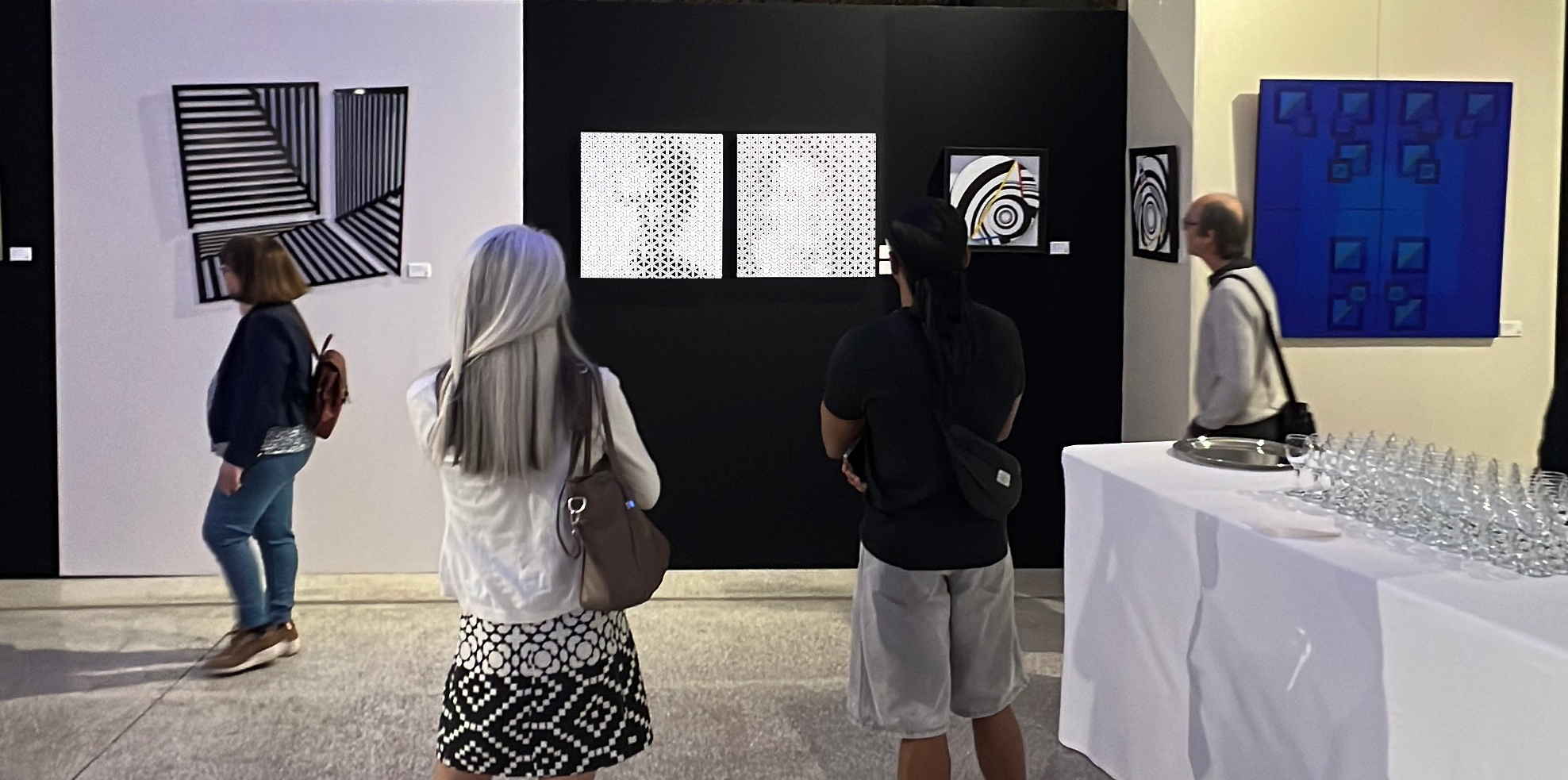
First time presenting my Matildas series, with two pieces, Y¹ and Y², but undercover. I never stated that the pattern was a portrait, and I had a great time when people noticed it and asked who the face was.
The visitor will have to make the effort to discover the story behind each of the two women presented.
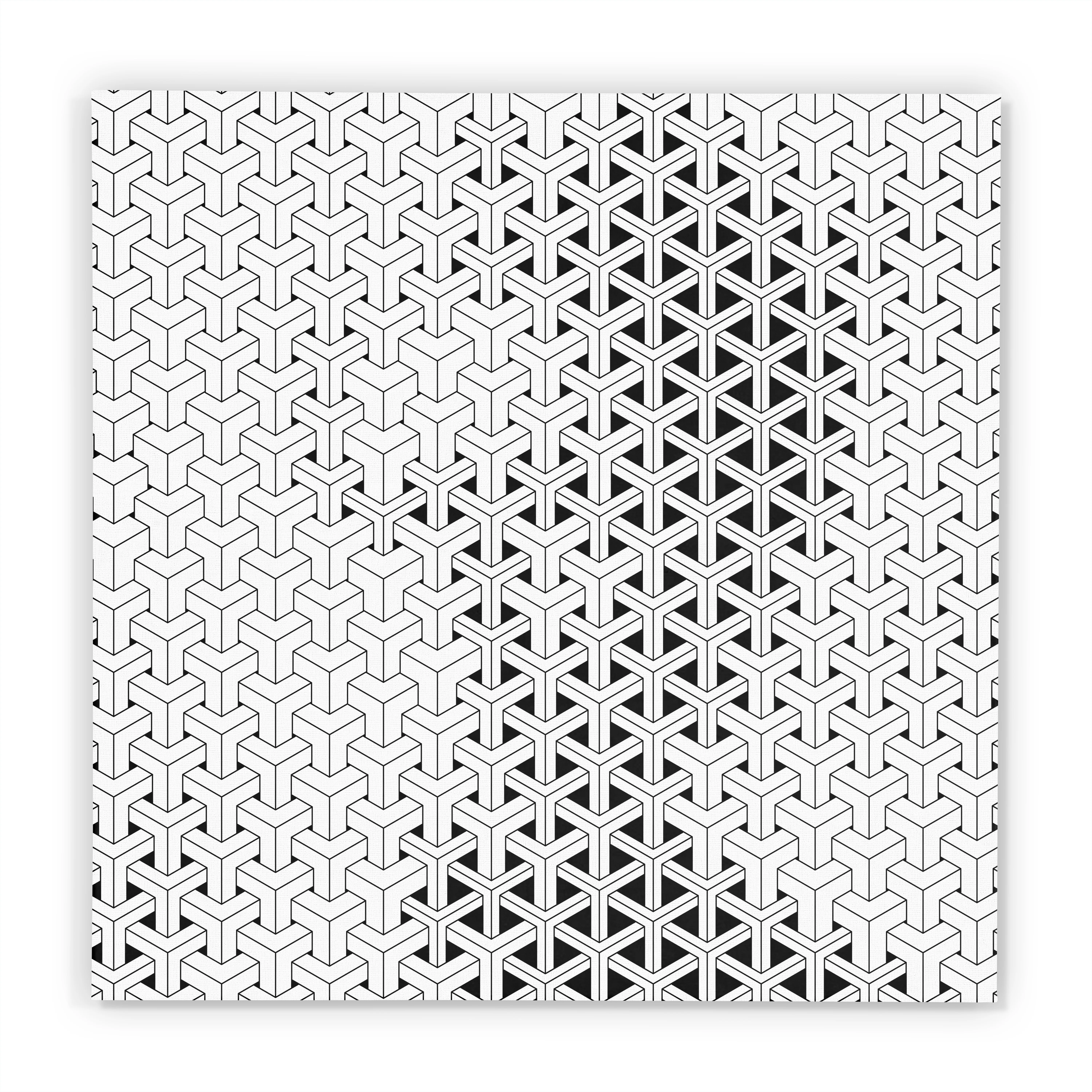
Y¹ - Nettie Stevens (1861-1912)
First to demonstrate that the Y chromosome determines sex (1905). Identified the XY system in beetles and flies. 38 papers in 11 years.
The Matilda Effect
Credit for her discovery went to Edmund Wilson, who published similar findings the same year but made a smaller theoretical leap.
Her doctoral advisor Thomas Hunt Morgan built his career on the chromosome theory she had proven, while he himself had resisted it. He won the 1933 Nobel in Medicine for that foundation. In her obituary, he called her a great technician, not a theoretician.
In 1906, Wilson and Morgan were invited to speak on sex determination at a major conference. Stevens was not.
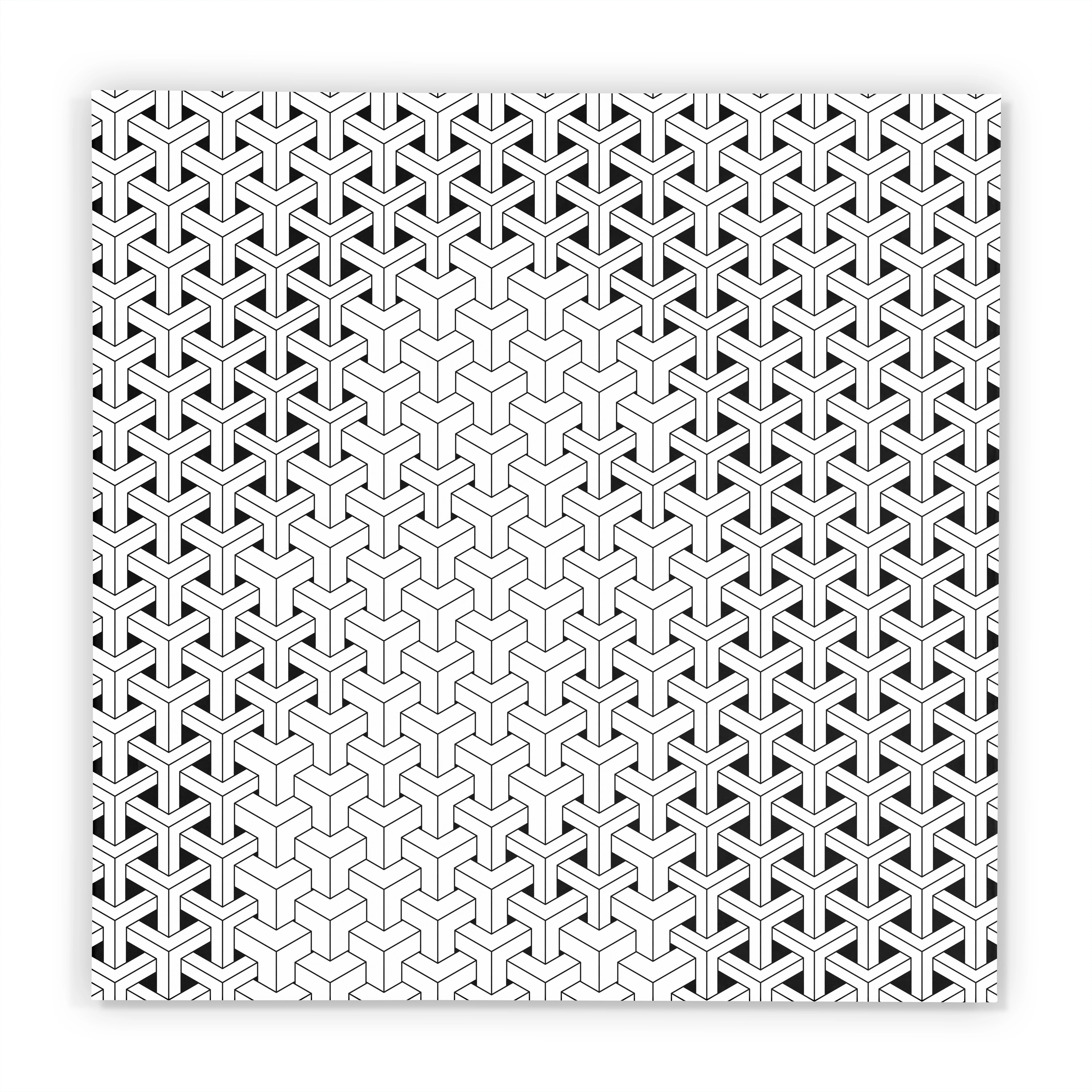
Y² - Lise Meitner (1878-1968)
Built the theoretical explanation for nuclear fission using the liquid-drop model. Coined the term "fission."
The Matilda Effect
Credit for the discovery went to her longtime collaborator Otto Hahn, who published the experimental data without listing her as co-author. He won the 1944 Nobel Prize in Chemistry alone.
Hahn cited her interpretation in his Nobel lecture but never used his laureate status to nominate her. In his memoirs, he erased her role entirely, going as far as claiming physics had impeded the discovery.
The Nobel committee framed fission as a purely chemical achievement, sidelining the physics, sidelining her.
Nominated 49 times for Nobel Prizes in Physics and Chemistry. Never won.